Getting into a car accident is stressful enough. But if the accident is your fault, a scary question often pops up in people’s minds:
“Can I lose my house because of this accident?”
The short answer is: Yes, it’s possible—but not automatic.
The long answer is much more reassuring when you understand how the system works.
This article breaks everything down in plain English so you know:
- When your house could be at risk
- When it’s usually protected
- How insurance plays a big role
- And how to choose the right lawyer if things get serious
Let’s walk through it step by step.
What Happens After an At-Fault Car Accident?
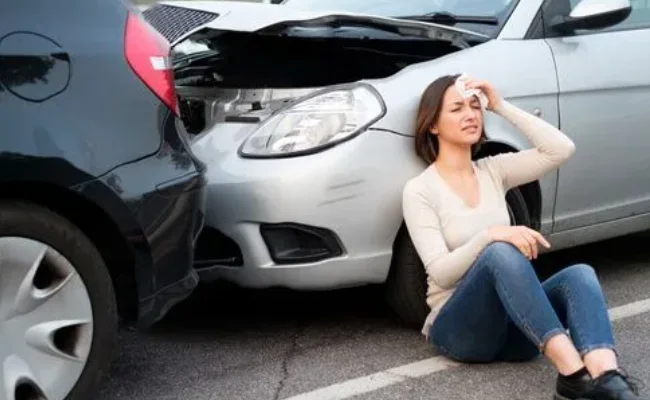
When you cause a car accident, the injured person can:
- File a claim with your auto insurance
- Or file a lawsuit against you if damages are high
Most of the time, insurance handles everything. Problems start only when the damages are more than your insurance coverage.
The Role of Car Insurance (Your First Line of Protection)
Your auto insurance is designed to protect your personal assets, including your house.
Typical coverage includes:
- Bodily injury liability – pays for medical bills, lost wages, pain & suffering
- Property damage liability – pays for vehicle and property repairs
👉 If your insurance limits are high enough, your house is usually safe.
Example:
- You have $100,000 in liability coverage
- The accident damages total $60,000
- Insurance pays it all
✅ No risk to your home
When Can Your House Be at Risk?
Your house may be at risk only in specific situations, such as:
- Your Insurance Is Not Enough
If damages are higher than your policy limits, the injured person can sue you for the remaining amount.
Example:
- Insurance covers $50,000
- Court awards $200,000
- You may personally owe $150,000
At that point, the court may allow collection from your assets.
- You Have Significant Personal Assets
If you own:
- A house
- Savings
- Investments
The injured party may try to recover money from those assets after winning a judgment.
- You Were Uninsured or Underinsured
If you didn’t have insurance (or had very low coverage), your personal assets are more exposed.
This is one of the biggest risk factors for losing property.
Does the Court Take Your House Right Away?
No. Absolutely not.
Losing a house is not the first step—it’s usually the last resort.
Here’s how it usually works:
- Lawsuit is filed
- Court judgment is given
- Other payment options are explored
- Asset seizure is considered only if payment is impossible
In reality, most cases settle long before this stage.
Homestead Laws: A Powerful Protection
Many U.S. states have homestead exemption laws.
These laws protect a portion (or sometimes all) of your home’s value from creditors.
Examples:
- Florida & Texas: Very strong home protection
- California: Protects a large portion of home equity
- Other states: Protection varies by dollar amount
So even if someone wins a lawsuit, they may not be able to force the sale of your home.
What If My House Is Jointly Owned?
If your home is:
- Owned jointly with a spouse
- Or considered marital property
The law often protects the non-at-fault owner’s share.
This makes losing a house even harder for the other party.
Can Bankruptcy Protect My Home?
In extreme cases, people consider bankruptcy.
While it’s not ideal, bankruptcy can:
- Stop collection actions
- Discharge certain debts
- Protect assets using exemptions
This is usually a last option, but it does exist.
How to Reduce the Risk of Losing Your House
Here are smart, preventive steps everyone should consider:
- Increase Your Auto Insurance Limits
Higher coverage = more protection
This is one of the cheapest ways to protect your home.
- Get an Umbrella Insurance Policy
Umbrella insurance provides extra coverage (often $1–5 million) on top of your auto policy.
It’s surprisingly affordable and very effective.
- Never Drive Without Insurance
Driving uninsured is the fastest way to expose your house and savings.
- Take Legal Action Early
If the accident is serious, don’t wait. Early legal help can prevent bigger problems.
How to Choose the Right Lawyer After an At-Fault Accident
Choosing the right lawyer can make a huge difference in protecting your assets.
Here’s how to choose wisely:
- Look for Experience in Auto Accident Defense
Not all lawyers handle car accident defense cases. Choose someone who regularly deals with:
- Insurance negotiations
- Personal injury claims
- Asset protection
- Ask About Insurance-Focused Strategies
A good lawyer will focus on:
- Maximizing insurance coverage
- Pushing for settlement
- Avoiding personal liability
- Avoid Lawyers Who Promise “Guaranteed Results”
No ethical lawyer guarantees outcomes.
Look for honesty, not flashy promises.
- Check Reviews and Local Reputation
Local experience matters because:
- Laws vary by state
- Judges and insurers differ by region
- Choose Clear Communicators
You should understand:
- Your risks
- Your options
- Your next steps
If a lawyer confuses you, keep looking.
The Bottom Line: Should You Be Worried?
For most people, losing a house due to an at-fault car accident is rare.
If you:
- Have insurance
- Cooperate with the process
- Get the right legal help
Your home is usually well protected.
The real danger comes from being uninsured, underinsured, or ignoring the problem.
Final Thoughts
Car accidents are unexpected—but financial ruin doesn’t have to be part of the story.
Understanding your rights, carrying proper insurance, and choosing the right lawyer can protect:
- Your house
- Your savings
- Your peace of mind