What Happens, What You Owe, and How to Choose the Right Lawyer
Getting into a car accident is stressful. Finding out you were at fault makes it worse. But realizing you don’t have car insurance can feel terrifying. Many people in this situation immediately think:
“Am I going to lose everything?”
“Will I go to jail?”
“What do I do now?”
Take a breath. While driving without insurance is serious, it does not automatically mean financial ruin. This article explains what really happens in the U.S. when you cause a car accident without insurance, what consequences you may face, how to protect yourself, and how to choose the right lawyer to help you move forward.
Is Driving Without Insurance Illegal?
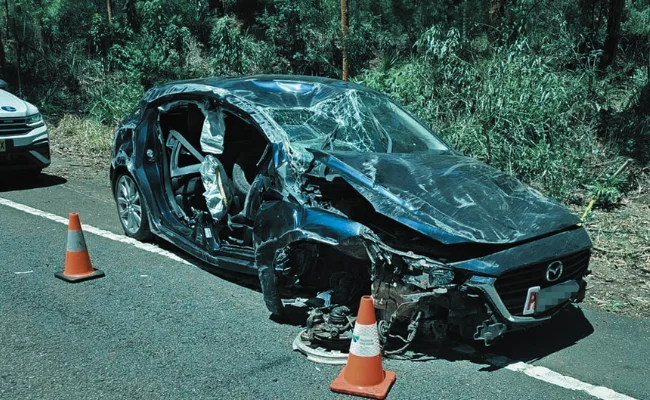
In almost every U.S. state, yes—driving without insurance is illegal.
If you’re caught without insurance, you may face:
- Fines
- License suspension
- Vehicle impoundment
- SR-22 insurance requirements
But causing an accident while uninsured adds another level of consequences.
What Happens Right After an At-Fault Accident Without Insurance?
When police arrive and discover you’re uninsured:
- A police report is created
- You may receive a citation or ticket
- The accident is documented for insurance and legal use
Even if the other driver is calm at the scene, the legal and financial issues often start later.
Who Pays for the Damages?
If you are at fault and uninsured, you are personally responsible for:
- Vehicle repair or replacement
- Medical bills
- Lost wages
- Pain and suffering
There is no insurance company stepping in for you.
Can the Other Driver Sue You?
Yes. The injured party can:
- File a lawsuit against you
- Seek a court judgment for damages
If they win, the court may allow collection through:
- Wage garnishment
- Bank account levies
- Property liens
However, courts usually look at your ability to pay, not just the total damage amount.
Will You Lose Your House or Assets?
This is one of the biggest fears—but it’s not automatic.
Most cases follow this path:
- Negotiation or settlement attempts
- Court judgment (if no settlement)
- Collection efforts
Many states have asset protection laws, such as:
- Homestead exemptions (protect part of your home)
- Limits on wage garnishment
- Protection for essential property
In reality, most cases settle rather than ending in asset seizure.
What If the Other Driver Has Insurance?
If the other driver has:
- Collision coverage
- Uninsured motorist coverage
Their insurance may pay first and then try to recover money from you later (called reimbursement).
This doesn’t erase your responsibility, but it can reduce immediate pressure.
What About Injuries to You?
Even if you’re uninsured and at fault:
- You may still receive emergency medical care
- You may be responsible for your own medical bills
Some states limit your ability to recover compensation if you were uninsured.
Criminal Charges: Will You Go to Jail?
In most cases, no jail time results from simply being uninsured.
However, criminal charges may apply if:
- Someone was seriously injured or killed
- You were driving under the influence
- You fled the scene
Most uninsured at-fault cases are civil, not criminal.
What Are the Long-Term Consequences?
Beyond immediate costs, you may face:
- License suspension
- Higher future insurance premiums
- SR-22 filing requirements
- Difficulty registering vehicles
These effects can last years, but they are manageable with proper steps.
What You Should Do Immediately After the Accident
If you’re at fault and uninsured:
- Be honest with law enforcement
- Do not argue fault at the scene
- Avoid making recorded statements without legal advice
- Gather all documents related to the accident
- Speak with a lawyer as soon as possible
Early guidance can prevent costly mistakes.
Do You Need a Lawyer If You Were Uninsured and At Fault?
In many cases, yes.
A lawyer can:
- Negotiate settlements
- Limit financial exposure
- Protect your rights
- Prevent aggressive collection tactics
- Help with license reinstatement
Trying to handle this alone often leads to worse outcomes.
How a Lawyer Helps in Uninsured At-Fault Accident Cases
A good lawyer will:
- Communicate with the other party’s insurance
- Negotiate reasonable payment plans
- Reduce total liability where possible
- Represent you if sued
- Advise on asset protection options
Their goal is damage control—not punishment.
How to Choose the Right Lawyer for an Uninsured At-Fault Car Accident
Choosing the right lawyer is especially important in these cases.
- Experience With Auto Liability Cases
Look for a lawyer who regularly handles:
- Car accident defense
- Uninsured driver cases
- Insurance disputes
- Honest and Realistic Advice
Avoid lawyers who:
- Promise to “make it disappear”
- Guarantee outcomes
You want honesty, not false hope.
- Clear Communication
You should clearly understand:
- Your risks
- Your options
- Next steps
If the lawyer confuses you, keep looking.
- Transparent Fees
Ask upfront:
- How fees are charged
- Whether payment plans are available
Many attorneys offer consultations at low or no cost.
- Local Knowledge
Local attorneys understand:
- State-specific penalties
- Local courts
- License reinstatement procedures
How to Protect Yourself Going Forward
Once the immediate situation is handled:
- Get insurance immediately
- Consider higher coverage limits
- Avoid driving until legally cleared
- Keep all paperwork
Future protection is just as important as solving today’s problem.
Final Thoughts
Being at fault in a car accident without insurance is serious—but it’s not the end of your life or financial future.
With the right steps, honest communication, and legal guidance, most people:
- Avoid extreme financial damage
- Resolve claims through settlements
- Rebuild their driving and insurance status
The biggest mistake is doing nothing. The smartest move is getting informed and getting help.