After a car accident, one of the first questions everyone asks is: “Who hit whom?”
This question matters a lot. It affects insurance claims, fault decisions, compensation, and sometimes even lawsuits. Unfortunately, it’s not always as obvious as it seems—especially when both drivers think the other person caused the crash.
If you’ve ever wondered how police, insurance companies, and attorneys figure out who hit whom in a car accident, this article breaks it down in a way that’s easy to understand, practical, and realistic.
Why Figuring Out “Who Hit Whom” Matters
Determining who hit whom helps decide:
- Who is at fault
- Who pays for vehicle repairs
- Who covers medical bills
- Whether you can file an injury claim
Insurance companies don’t rely on guesswork. They look at physical evidence, statements, and accident patterns to make their decision.
- Vehicle Damage Patterns Tell a Big Story
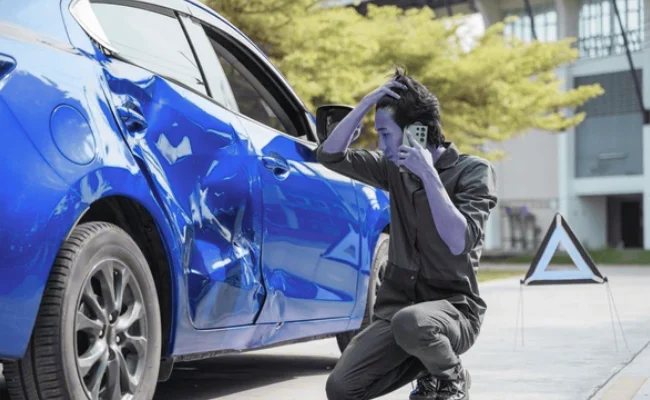
One of the most reliable ways to tell who hit whom is by looking at where and how the cars are damaged.
Common Examples:
- Rear-end damage: Usually means the back car hit the front car
- Front-end damage: Often shows the car did the hitting
- Side impact damage: Suggests one vehicle entered the other’s lane or ran a red light
If your car has damage on the rear bumper and the other car’s damage is on the front, that usually tells a clear story.
- Location of Damage Matters More Than Severity
Sometimes people assume the car with more damage wasn’t at fault—but that’s not always true.
Insurance adjusters focus on:
- Direction of impact
- Height and angle of damage
- Paint transfer between vehicles
Even a small dent in the right place can prove who struck first.
- Skid Marks and Road Evidence
Marks left on the road can help show:
- Who was braking
- Who was speeding
- Which direction each vehicle was moving
Long skid marks may indicate a driver tried to stop suddenly, while a lack of skid marks could suggest distraction or delayed reaction.
- Final Resting Position of the Vehicles
Where the cars ended up after the crash matters.
Investigators look at:
- Whether a vehicle was pushed forward
- If a car spun or crossed lanes
- Distance between point of impact and final stop
These details help reconstruct what happened in the seconds before the crash.
- Traffic Laws and Right of Way Rules
In many cases, “who hit whom” is decided by who had the legal right of way.
Examples:
- A driver running a red light is usually at fault
- Failing to yield while turning left often makes that driver responsible
- Merging without checking blind spots can shift fault
Even if contact happens at the side or rear, violating traffic rules changes everything.
- Witness Statements Can Break the Tie
When both drivers tell different stories, independent witnesses become extremely important.
Witnesses may confirm:
- Speeding
- Sudden lane changes
- Red light violations
- Distracted driving
Insurance companies trust neutral witnesses more than drivers involved in the accident.
- Police Accident Reports
Police officers are trained to observe accident scenes.
Their report may include:
- Diagram of the crash
- Statements from drivers and witnesses
- Visible damage notes
- Traffic violations issued
While a police report isn’t the final word, it heavily influences insurance decisions.
- Dashcams and Surveillance Footage
Video evidence is often the clearest proof.
Sources include:
- Dashcams
- Traffic cameras
- Gas stations
- Stores near intersections
Video can clearly show:
- Who entered an intersection first
- Who changed lanes
- Who failed to stop
This kind of evidence can end disputes quickly.
- Driver Statements and Consistency
What drivers say matters—but consistency matters more.
Insurance companies look for:
- Conflicting stories
- Changes in explanation
- Statements that don’t match physical evidence
Saying “I didn’t see them” or “It happened so fast” can unintentionally hurt your case.
- Accident Reconstruction Experts
In serious accidents, experts may be brought in.
They analyze:
- Vehicle damage
- Speed calculations
- Road conditions
- Physics of impact
These professionals help answer exactly who hit whom and how.
Common Accident Scenarios Explained
Rear-End Accidents
Usually the rear driver is at fault, but exceptions exist:
- Sudden stops
- Brake checking
- Malfunctioning brake lights
Intersection Accidents
Often decided by:
- Traffic signals
- Right-of-way laws
- Witness or video evidence
Lane Change Accidents
The driver changing lanes is often at fault unless the other driver was speeding or driving aggressively.
Mistakes That Make It Harder to Prove Who Hit Whom
Avoid these mistakes:
- Not taking photos
- Admitting fault at the scene
- Leaving without calling police
- Delaying medical treatment
- Posting about the accident on social media
Even honest comments can be misunderstood later.
How to Choose the Right Car Accident Attorney
If fault is disputed, having the right attorney can make a huge difference.
- Look for Experience with Disputed Fault Cases
Not all accidents are clear-cut. Choose an attorney who handles:
- “He said, she said” crashes
- Multi-vehicle accidents
- Intersection collisions
- Strong Investigation Skills
A good attorney will:
- Collect surveillance footage
- Interview witnesses
- Work with accident experts
- Clear Communication
They should explain:
- Your rights
- The evidence needed
- What to expect next
If they confuse you, keep looking.
- No Upfront Fees
Most car accident attorneys work on a contingency basis:
- You pay only if you win
- Focus on Protecting You
The right attorney doesn’t just look at who hit whom—they protect you from unfair blame and low insurance offers.
Final Thoughts
Figuring out who hit whom in a car accident isn’t about guesswork or opinion. It’s about evidence, logic, and careful investigation. Damage patterns, road evidence, witness statements, and video footage all work together to tell the real story.
If fault is unclear or being unfairly placed on you, don’t assume the insurance company will figure it out on its own. Getting the right help early can protect your rights and your financial future.