Car accidents involving celebrities often become headline news within minutes. When a well-known figure is rumored to be involved in a crash, the story spreads rapidly across social media and news websites. One such example is the rumor about a car accident involving hip-hop pioneer MC Lyte.
Over time, many online posts claimed that the legendary rapper was involved in a serious or even fatal car crash. However, careful fact-checking shows that many of these reports were false or exaggerated.
From an automotive law perspective, this situation offers a valuable opportunity to understand how accident reports work, what legal issues arise after a crash, and why misinformation can sometimes lead to legal problems of its own.
This article explains the MC Lyte car accident rumors, separates fact from fiction, and explores the legal lessons everyday drivers and law professionals can learn from such stories.
Who Is MC Lyte?
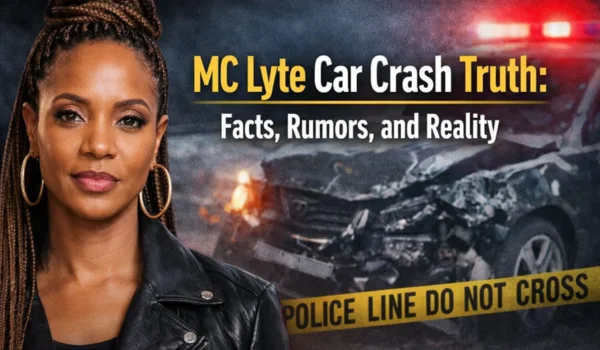
Before discussing the accident rumors, it is helpful to understand why the story gained so much attention.
MC Lyte, whose real name is Lana Michele Moorer, is one of the most influential female rappers in hip-hop history. She rose to fame in the late 1980s and helped break gender barriers in a male-dominated industry.
Her music, activism, and voice-over career have made her a respected public figure for decades. Because of her cultural influence, any rumor involving her health or safety spreads quickly online.
This popularity partly explains why the “MC Lyte car accident” story became viral.
The Origin of the MC Lyte Car Accident Rumor
The rumor began circulating on social media platforms such as Facebook, YouTube, and X (formerly Twitter).
Some posts claimed that the rapper had been involved in a tragic car crash. Others falsely suggested she had died in the accident. These claims quickly spread because many users shared the posts without verifying the information.
However, fact-checking revealed that:
- No major news outlet reported such an accident
- No official police report confirmed it
- MC Lyte’s representatives did not announce any crash
- The artist continued appearing publicly and online
Because of this lack of evidence, experts concluded that the story was simply a celebrity death hoax fueled by misinformation on social media.
This type of rumor is surprisingly common and often spreads faster than verified news.
Why Celebrity Car Accident Rumors Spread So Fast
From a legal and media perspective, celebrity accident rumors usually spread due to several factors.
- Social Media Algorithms
Social media platforms often promote emotional or shocking content. Posts claiming a celebrity died in an accident receive high engagement, which pushes them to more users.
- Clickbait Websites
Some websites create exaggerated headlines like:
- “Rapper Dies in Horrific Crash”
- “Last Ride of a Hip-Hop Legend”
These headlines attract traffic and advertising revenue.
- Lack of Fact-Checking
Many people share posts without verifying sources, which allows false stories to go viral.
- Past Celebrity Tragedies
Because real celebrity car accidents have happened before, people are more likely to believe similar stories.
Automotive Law: What Happens When a Real Car Accident Occurs
Even though the MC Lyte accident rumor appears to be false, it still provides an opportunity to explain how U.S. automotive law handles car accidents.
When a real crash occurs, several legal processes begin immediately.
Step 1: Police Investigation
In most states, including California and New York, police respond to serious crashes to investigate.
Officers typically collect:
- Driver statements
- Witness statements
- Vehicle damage evidence
- Traffic camera footage
- Alcohol or drug test results
The police then prepare an accident report that may later be used in court.
Step 2: Determining Fault
One of the most important questions in automotive law is who caused the accident.
Courts and insurance companies consider factors such as:
- Speeding
- Distracted driving
- Running red lights
- DUI or drug use
- Vehicle defects
In many states, fault determines who pays for damages.
Step 3: Insurance Claims
After a crash, drivers usually file insurance claims.
Typical claims cover:
- Vehicle damage
- Medical expenses
- Lost income
- Pain and suffering
Insurance companies investigate the accident before approving payments.
Step 4: Personal Injury Lawsuits
If injuries occur, victims may file a personal injury lawsuit.
Common damages include:
- Medical bills
- Rehabilitation costs
- Lost wages
- Emotional distress
Lawyers often negotiate settlements before cases reach trial.
Step 5: Criminal Charges
Some car accidents involve criminal liability.
For example:
- DUI crashes
- Reckless driving
- Hit-and-run incidents
In severe cases, drivers can face charges such as vehicular manslaughter.
When Celebrity Accidents Become Legal Cases
If a celebrity were involved in a real car crash, the legal process would be similar to any other driver.
However, high-profile cases often involve additional legal issues.
- Media Coverage
Celebrities attract intense media attention, which can affect:
- Public perception
- Jury selection
- Settlement negotiations
- Privacy Rights
Celebrities still have legal rights to privacy.
Unauthorized release of medical records or personal information could lead to lawsuits.
- Defamation Concerns
False reporting about accidents can sometimes lead to defamation claims.
If someone spreads false claims that damage a person’s reputation, they may face legal consequences.
The Legal Risk of Spreading False Accident Reports
The MC Lyte rumor also highlights another legal issue: online defamation.
If a website falsely claims a person was involved in a deadly crash, it could potentially harm their reputation.
For a defamation case to succeed in the United States, the plaintiff usually must prove:
- A false statement was published
- The statement was presented as fact
- The statement caused harm
- The publisher acted negligently or maliciously
Public figures like celebrities must meet a higher standard called actual malice, meaning the publisher knowingly spread false information or acted with reckless disregard for the truth.
Lessons From the MC Lyte Accident Rumor
Even though the crash story appears to be false, it teaches several important lessons.
- Always Verify News
Before sharing shocking information online, check reliable sources.
- Social Media Is Not Always Accurate
Many viral posts are created simply to generate clicks.
- False Reports Can Harm People
Even rumors can cause emotional distress to families, fans, and the celebrity involved.
- Legal Consequences Can Follow
Publishing false statements about someone’s death or injuries can potentially lead to lawsuits.
Road Safety Lessons for Everyday Drivers
Although the MC Lyte crash rumor may not be real, car accidents remain a serious issue in the United States.
Drivers can reduce risk by following basic safety practices:
- Avoid texting while driving
- Follow speed limits
- Wear seat belts
- Never drive under the influence
- Maintain safe distance from other vehicles
Many accidents occur due to simple mistakes that could easily be avoided.
Final Thoughts
The “MC Lyte car accident” story shows how quickly misinformation can spread in the digital age. While rumors claimed the hip-hop legend was involved in a fatal crash, credible sources found no evidence to support the claim.
From an automotive law perspective, the situation highlights two important issues: how real car accidents are handled legally and how false reports can create legal risks of their own.
For everyday readers, the key takeaway is simple. Always verify dramatic news before sharing it online. For law professionals, the case serves as a reminder that misinformation in the digital era can have real legal consequences.