Truck accidents are not like regular car crashes. When a commercial truck—such as an 18-wheeler, semi-truck, or delivery truck—is involved, the damage is often severe, the injuries are serious, and the legal process becomes far more complex.
Every year, thousands of people in the United States are injured or killed in truck accidents. For victims and their families, life can change in a matter of seconds. Medical bills start piling up, work becomes impossible, and insurance companies begin asking questions that feel overwhelming.
This is where a truck accident lawsuit becomes critical.
This guide explains what a truck accident lawsuit is, how it works, who can file one, and why these cases are different—written in clear language for everyday people, while also offering value to law practices handling truck accident claims.
What Is a Truck Accident Lawsuit?
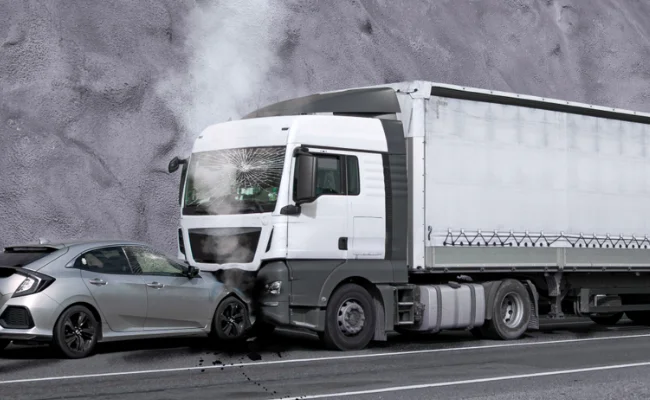
A truck accident lawsuit is a legal claim filed by an injured person (or their family) seeking compensation after being harmed in a crash involving a commercial truck.
The goal of the lawsuit is simple:
to recover money for the losses caused by the accident.
These losses may include:
- Medical expenses
- Lost wages
- Future medical care
- Pain and suffering
- Emotional distress
- Permanent disability
- Property damage
- Wrongful death damages (if the victim passed away)
Unlike minor car accidents, truck accident lawsuits often involve large trucking companies, multiple insurers, and complex investigations.
Why Truck Accident Cases Are Different from Car Accidents
Many people assume a truck accident claim works just like a car accident case. In reality, it’s very different.
- Trucks Are Heavily Regulated
Commercial trucks must follow strict federal and state safety rules, including:
- Driver work-hour limits
- Vehicle inspection requirements
- Weight limits
- Maintenance standards
Violating these rules can play a major role in a lawsuit.
- Multiple Parties May Be Responsible
In a truck accident lawsuit, responsibility may fall on:
- The truck driver
- The trucking company
- A freight or cargo company
- A truck maintenance provider
- A truck or parts manufacturer
This makes cases more complex—but also opens the door to higher compensation.
- Higher Insurance Coverage
Commercial trucks typically carry much higher insurance limits than passenger vehicles. While this is good for victims, insurers also fight harder to protect that money.
Common Causes of Truck Accidents
Understanding how truck accidents happen helps explain why lawsuits are often necessary.
Some of the most common causes include:
- Driver fatigue (long hours, lack of rest)
- Distracted driving (phones, GPS, paperwork)
- Speeding or aggressive driving
- Improperly loaded or overloaded cargo
- Poor truck maintenance
- Brake or tire failure
- Driving under the influence
- Inadequate driver training
A strong truck accident lawsuit focuses on proving exactly what went wrong and who is responsible.
Who Can File a Truck Accident Lawsuit?
You may be able to file a lawsuit if you are:
- A driver hit by a truck
- A passenger in a vehicle involved in the crash
- A pedestrian or cyclist struck by a truck
- A family member of someone killed in a truck accident
Even if you were partially at fault, you may still be entitled to compensation depending on your state’s laws.
What Compensation Can You Recover?
A truck accident lawsuit seeks financial compensation, often called damages.
Economic Damages (Financial Losses)
These are easier to calculate and may include:
- Emergency room bills
- Hospital stays and surgeries
- Physical therapy and rehabilitation
- Prescription medications
- Lost wages
- Loss of future earning ability
- Vehicle repair or replacement
Non-Economic Damages (Human Losses)
These are more personal and may include:
- Pain and suffering
- Emotional trauma
- Anxiety or depression
- Loss of enjoyment of life
- Disfigurement or permanent disability
Wrongful Death Damages
If a loved one dies, families may recover:
- Funeral and burial costs
- Loss of financial support
- Loss of companionship
- Emotional suffering
How a Truck Accident Lawsuit Works (Step by Step)
Step 1: Medical Treatment Comes First
Health always comes before legal action. Medical records later become critical evidence.
Step 2: Investigation Begins
Attorneys gather:
- Police reports
- Witness statements
- Truck driver logs
- Black box (event data recorder) information
- Maintenance and inspection records
- Company safety history
Step 3: Insurance Claims
Claims are filed with trucking company insurers. Many cases start here but don’t end here.
Step 4: Filing the Lawsuit
If insurers refuse fair compensation, a formal lawsuit is filed in court.
Step 5: Negotiation and Discovery
Both sides exchange evidence. Settlement talks often happen during this phase.
Step 6: Settlement or Trial
Most truck accident lawsuits settle before trial. If not, the case goes before a judge or jury.
Why Trucking Companies Fight So Hard
Trucking companies and insurers move fast after accidents—and not to help victims.
They may:
- Send investigators immediately
- Pressure victims to give statements
- Offer quick, low settlements
- Shift blame onto the injured person
- Delay the process intentionally
This is why having strong legal representation matters.
Role of a Truck Accident Lawyer
For victims, a truck accident lawyer:
- Protects your rights
- Handles insurance companies
- Calculates full damages
- Builds a strong case
- Negotiates aggressively
- Takes the case to trial if needed
For law practices, truck accident cases require:
- Deep investigation skills
- Knowledge of trucking regulations
- Access to expert witnesses
- Strong negotiation strategies
- Long-term case management
Time Limits: Why Acting Quickly Matters
Every state has a statute of limitations, which limits how long you have to file a lawsuit.
Waiting too long can result in:
- Lost evidence
- Disappearing witnesses
- Destroyed truck data
- Complete loss of legal rights
Early action strengthens cases—for both clients and law firms.
Truck Accident Lawsuit Settlements
Settlement amounts vary widely based on:
- Severity of injuries
- Long-term impact
- Insurance coverage
- Strength of evidence
- Shared fault (if any)
Minor cases may settle for thousands. Serious injury or wrongful death cases may result in six- or seven-figure settlements.
There is no “average” truck accident settlement—but strong preparation leads to stronger results.
Final Thoughts: Justice Takes Time, but It Matters
A truck accident lawsuit is about more than money. It’s about accountability, recovery, and protecting victims from being overwhelmed by powerful trucking companies and insurers.
For injured individuals, knowledge reduces fear.
For law practices, preparation increases results.
When handled correctly, a truck accident lawsuit can:
- Secure fair compensation
- Provide long-term financial stability
- Hold negligent parties accountable
- Improve roadway safety for everyone