Arizona is one of the most motorcycle-friendly states in the U.S. With year-round riding weather, scenic highways, and a strong biking culture, thousands of riders take to Arizona roads every day. But enjoying the ride also means understanding the laws that govern motorcycles in the state. Whether you are a daily commuter, a weekend rider, or a law firm assisting injured motorcyclists, knowing Arizona motorcycle laws is essential.
This guide breaks down Arizona’s motorcycle laws in plain English, explaining what riders must do, what rights they have, and how these laws often come into play after an accident.
Why Arizona Motorcycle Laws Matter
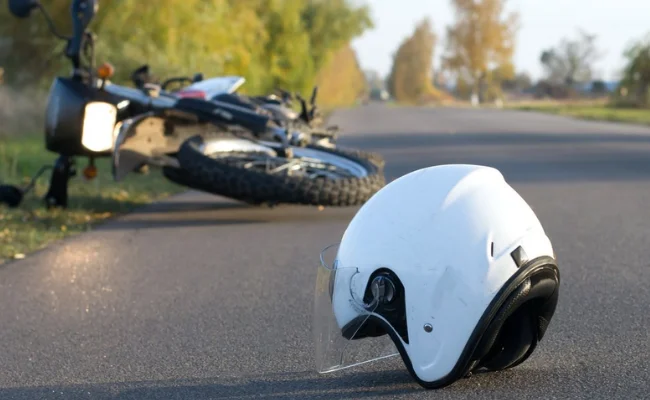
Motorcycles are treated differently from cars under the law. Because riders are more exposed, Arizona has specific rules for licensing, safety gear, lane use, and insurance. Failing to follow these rules can result in fines, license suspension, or complications in accident claims.
For law practices, these laws often determine fault, liability, and compensation after a motorcycle crash.
Motorcycle Licensing Requirements in Arizona
To legally ride a motorcycle in Arizona, you must have a motorcycle endorsement on your driver’s license.
How to Get a Motorcycle Endorsement
You can obtain it by:
- Passing a written knowledge test
- Passing a motorcycle skills test
OR - Completing an approved motorcycle safety course (often waives the skills test)
Riders under 18 have additional requirements, including:
- Completion of a motorcycle safety course
- Holding a graduated license
- Wearing a helmet (mandatory)
Key takeaway: Riding without the proper endorsement can lead to fines and issues if you’re involved in an accident.
Arizona Helmet Laws Explained
Arizona does not require all riders to wear helmets—but there are important exceptions.
Who Must Wear a Helmet?
- Riders and passengers under 18 years old must wear a helmet.
- Riders over 18 can legally ride without a helmet.
Helmet Standards
If a helmet is worn, it must meet U.S. Department of Transportation (DOT) standards.
Important for injury claims:
Not wearing a helmet does not automatically make you at fault for an accident. However, insurance companies may argue that injuries could have been reduced, which can affect compensation in some cases.
Eye Protection Rules
Even though helmets are optional for adults, eye protection is not—unless your motorcycle has a windscreen.
Acceptable eye protection includes:
- Goggles
- Face shields
- Protective glasses
This law exists to prevent debris-related accidents and vision impairment while riding.
Motorcycle Insurance Requirements in Arizona
Arizona requires all motorcyclists to carry minimum liability insurance, just like car drivers.
Minimum Coverage Limits
- $25,000 for bodily injury or death (one person)
- $50,000 for bodily injury or death (multiple people)
- $15,000 for property damage
While these are the legal minimums, many riders choose higher coverage limits or add:
- Uninsured/Underinsured Motorist (UM/UIM) coverage
- Medical Payments coverage
For law firms: Underinsured driver claims are common in motorcycle cases due to severe injuries and low policy limits.
Lane Splitting and Lane Filtering: What’s Legal?
Lane Splitting
Arizona does NOT allow lane splitting, meaning riding between lanes of stopped or moving traffic is illegal.
Lane Filtering
As of recent years, Arizona does allow limited lane filtering, but only under specific conditions:
- Traffic must be stopped
- Speed limit must be 45 mph or less
- The rider must travel at 15 mph or less
- Filtering is only allowed between lanes on divided roads
Violating these rules can result in traffic citations and affect fault determination after a crash.
Passenger and Seat Laws
Motorcycles in Arizona can carry passengers only if:
- The motorcycle is designed to carry more than one person
- There is a proper passenger seat
- Footrests are provided for passengers
Riding with a passenger improperly can lead to tickets and liability issues if an accident occurs.
Equipment and Motorcycle Safety Requirements
Arizona law requires motorcycles to have:
- At least one headlamp
- One tail lamp
- A brake light
- At least one mirror
- A working horn
- Proper exhaust and muffler system
Handlebar Height
Handlebars cannot be positioned higher than the rider’s shoulders when seated.
For law practices, equipment violations sometimes appear in police reports and are used by insurers to argue negligence.
DUI Laws for Motorcyclists
Motorcyclists are subject to the same DUI laws as car drivers in Arizona.
Legal Limits
- BAC of 0.08% or higher = DUI
- Any amount of drugs or alcohol that impairs riding ability can lead to arrest
Penalties may include:
- License suspension
- Heavy fines
- Jail time
- Mandatory education programs
Motorcycle DUIs are taken seriously because impaired riding significantly increases crash risk.
Arizona Motorcycle Accident Laws and Fault Rules
Arizona follows a pure comparative negligence system.
What This Means
If you are partially at fault for an accident, you can still recover damages—your compensation is simply reduced by your percentage of fault.
Example:
If you are found 20% at fault and awarded $100,000, you can still recover $80,000.
This rule is especially important in motorcycle accidents, where drivers often unfairly blame riders.
Motorcycle Accident Reporting Requirements
You must report an accident to law enforcement if:
- Someone is injured or killed
- Property damage exceeds $2,000
Failing to report can result in penalties and hurt future insurance or legal claims.
Common Myths About Arizona Motorcycle Laws
Myth 1: Helmets are illegal for adults
→ False. Helmets are optional for riders over 18.
Myth 2: Motorcyclists are always at fault
→ False. Fault depends on evidence, not vehicle type.
Myth 3: Lane splitting is legal everywhere
→ False. Only limited lane filtering is allowed under strict rules.
Why These Laws Matter for Law Firms
For motorcycle injury attorneys, understanding Arizona motorcycle laws helps:
- Identify violations that may affect liability
- Challenge biased police reports
- Protect riders from unfair insurance tactics
- Maximize compensation under comparative negligence rules
Motorcycle cases often involve severe injuries, making legal knowledge critical for effective advocacy.
Final Thoughts
Arizona motorcycle laws aim to balance freedom with safety. While the state gives adult riders flexibility—like optional helmet use—it also enforces clear rules around licensing, insurance, and road behavior.
For riders, knowing these laws helps you stay safe, avoid fines, and protect your rights after an accident. For law practices, a strong grasp of Arizona motorcycle laws is essential for building successful injury claims and defending riders against unfair blame.
Whether you ride every day or represent those who do, understanding Arizona’s motorcycle laws is the key to navigating the road—and the legal system—with confidence.