When families place a loved one in a nursing home, they trust that the facility will provide proper medical attention, supervision, safety, and dignity. Unfortunately, nursing home negligence and elder abuse continue to affect thousands of families across the United States, including many in Georgia.
In Atlanta, nursing home abuse cases may involve neglect, medication errors, bed sores, falls, physical abuse, emotional mistreatment, or even wrongful death. Many incidents occur because facilities are understaffed, poorly managed, or fail to follow proper safety procedures.
For families dealing with serious injuries or the unexpected loss of a loved one, understanding how nursing home negligence claims work in Georgia is an important step toward protecting legal rights and financial recovery.
Understanding Nursing Home Abuse and Negligence

Nursing home abuse does not always involve intentional harm. In many situations, injuries occur because staff members fail to provide reasonable care or supervision.
Negligence in Atlanta nursing homes may include:
- failure to prevent falls
- poor patient monitoring
- medication mistakes
- dehydration or malnutrition
- delayed medical care
- unsanitary conditions
- failure to respond to emergencies
- inadequate staffing
Residents in nursing homes are often elderly, disabled, or medically vulnerable, which means even small mistakes can result in severe injuries or life-threatening complications.
Common Nursing Home Injuries in Atlanta
Some injuries are more common than others in nursing home negligence cases.
Slip and Fall Injuries
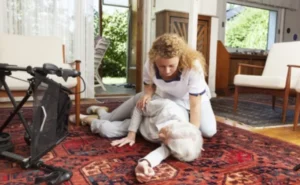
Falls are one of the leading causes of injury among elderly nursing home residents. Many falls occur because:
- floors are wet
- hallways are poorly maintained
- patients are left unattended
- mobility assistance is not provided
- bed rails or wheelchairs malfunction
Slip and fall accidents in nursing homes can lead to:
- hip fractures
- brain injuries
- spinal injuries
- broken bones
- permanent disability
In elderly residents, even a single fall may trigger serious medical complications that affect long-term health and mobility.
Bed Sores and Pressure Ulcers
Pressure ulcers often develop when nursing home residents are not repositioned properly or receive inadequate hygiene care.
Bed sores may indicate:
- neglect
- understaffing
- poor supervision
- inadequate medical attention
Severe pressure ulcers can lead to infections, hospitalization, or fatal complications.
Medication Errors
Medication mistakes in nursing homes may involve:
- incorrect dosages
- missed medications
- dangerous drug interactions
- improper administration
These errors can result in strokes, heart complications, organ failure, or worsening medical conditions.
Physical and Emotional Abuse
Some residents suffer intentional abuse from caregivers or staff members.
Warning signs may include:
- bruises
- sudden behavioral changes
- fear of staff
- unexplained injuries
- withdrawal or depression
Families should take these warning signs seriously and investigate concerns immediately.
Wrongful Death Claims in Atlanta Nursing Homes
Sadly, some nursing home negligence cases result in fatalities. Families may pursue wrongful death claims when a resident dies because of:
- untreated injuries
- severe falls
- medical neglect
- infections
- abuse
- delayed emergency care
Georgia wrongful death laws may allow surviving family members to seek compensation for financial and emotional losses caused by negligence.
Wrongful death lawsuits can also help uncover unsafe practices within nursing homes and hold facilities accountable for preventable harm.
Georgia Nursing Home Laws and Liability
Nursing homes in Georgia are required to meet both federal and state care standards. Facilities must provide residents with:
- adequate supervision
- proper medical treatment
- safe living conditions
- nutritional support
- protection from abuse
When facilities fail to meet these responsibilities, they may be held legally liable for injuries or wrongful death.
Potentially responsible parties may include:
- nursing home owners
- administrators
- nurses
- caregivers
- staffing agencies
- medical providers
In some cases, corporate nursing home operators may also face liability for understaffing or unsafe policies.
Signs of Nursing Home Negligence Families Should Watch For
Families often notice warning signs before serious injuries occur.
Potential signs of neglect may include:
- unexplained bruises
- sudden weight loss
- poor hygiene
- repeated falls
- bed sores
- emotional withdrawal
- frequent infections
- dirty living conditions
- untreated medical problems
Regular visits and communication with residents can help families identify problems early.
How Slip and Fall Cases Affect Elderly Residents
Falls in nursing homes are often far more dangerous than ordinary slip and fall accidents.
Older adults typically face:
- reduced bone density
- slower healing
- mobility limitations
- higher infection risks
A fall that might cause a minor injury in a younger adult can become life-threatening for an elderly resident.
Nursing homes are expected to identify residents with fall risks and implement proper prevention measures such as:
- mobility assistance
- bed alarms
- handrails
- staff supervision
- safe flooring conditions
Failure to provide these protections may support negligence claims.
Compensation in Nursing Home Injury Lawsuits
Victims and families may seek compensation for both economic and non-economic damages.
Potential damages may include:
- medical expenses
- hospitalization costs
- rehabilitation
- pain and suffering
- emotional distress
- long-term care expenses
- funeral costs
- wrongful death damages
The value of a claim often depends on:
- injury severity
- long-term medical impact
- level of negligence
- evidence available
- whether abuse was intentional
Important Evidence in Nursing Home Abuse Cases
Strong evidence is critical in nursing home negligence claims.
Important evidence may include:
- medical records
- incident reports
- surveillance footage
- witness statements
- staffing records
- inspection reports
- photographs of injuries
- nursing home complaints
Families should preserve documents and records as soon as concerns arise.
What Families Should Do After Suspected Nursing Home Negligence
If you suspect abuse or negligence in an Atlanta nursing home, taking action quickly can help protect both residents and evidence.
Seek Medical Attention
Immediate medical evaluation may help identify hidden injuries or neglect.
Document Conditions
Photographs, medical notes, and written observations may become important evidence later.
Report Concerns
Families may report suspected abuse to nursing home administrators or state regulatory agencies.
Preserve Records
Save:
- discharge papers
- medical bills
- medication lists
- communications with staff
Understand Legal Deadlines
Georgia law limits the amount of time families have to pursue injury or wrongful death claims.
Why Nursing Home Cases Are Often Complex
Nursing home lawsuits frequently involve:
- multiple caregivers
- corporate ownership structures
- medical evidence
- staffing issues
- regulatory violations
Facilities and insurance companies may also attempt to deny responsibility or argue that injuries resulted from pre-existing medical conditions rather than negligence.
Because of this, nursing home claims often require detailed medical and legal investigation.
Frequently Asked Questions
Q. What qualifies as nursing home negligence in Georgia?
Ans. Negligence may involve failure to provide proper care, supervision, medical treatment, nutrition, or safe living conditions for residents.
Q. Can a nursing home be sued for a fall injury?
Ans. Yes. If a fall occurred because of unsafe conditions, lack of supervision, or poor safety procedures, the nursing home may face liability.
Q. What is considered wrongful death in a nursing home?
Ans. Wrongful death may occur when negligence, abuse, medical errors, or unsafe conditions contribute to a resident’s death.
Q. Who can file a wrongful death claim in Georgia?
Ans. Georgia law generally allows certain surviving family members to pursue wrongful death claims after fatal nursing home negligence.
Q. What evidence helps prove nursing home abuse?
Ans. Medical records, photographs, staffing records, witness statements, inspection reports, and incident documentation may all support a claim.
Final Thoughts
Families trust nursing homes to provide safe and compassionate care for elderly loved ones. When facilities fail to meet basic safety and medical standards, the consequences can be devastating.
Nursing home negligence cases in Atlanta may involve falls, medication mistakes, abuse, unsafe conditions, or wrongful death. Understanding how Georgia nursing home laws work can help families recognize warning signs, preserve evidence, and protect their legal rights after a serious injury or loss.
For many families, taking action after suspected neglect is not only about financial recovery — it is also about accountability, safety, and protecting vulnerable residents from further harm.