Car accidents in Fort Lauderdale are more common than many people realize. With busy highways like I-95, U.S. 1, and A1A, even a short drive can turn into a stressful situation in seconds. After an accident, most people feel shaken, confused, or overwhelmed. But what you do in those first minutes and days can make a huge difference later—especially if you need insurance compensation or legal help.
One of the most important things you can do is collect the right evidence. Strong evidence protects you from unfair blame, low insurance offers, and unnecessary stress.
This article explains what evidence to collect after a Fort Lauderdale car accident, why it matters, and how to choose the right car accident attorney to guide you through the process.
Why Evidence Is So Important After a Car Accident
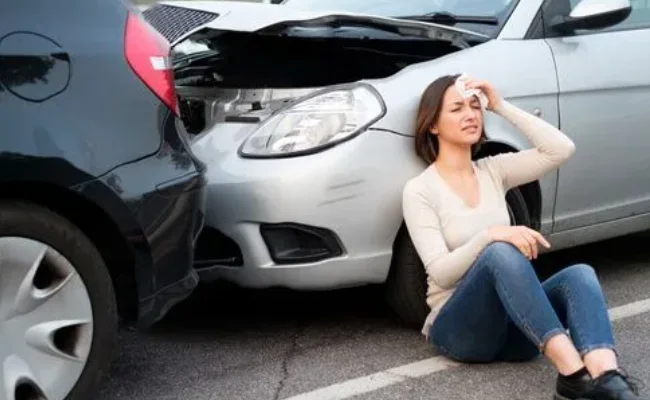
Insurance companies don’t pay claims based on sympathy. They pay based on proof. If evidence is weak or missing, they may:
- Deny your claim
- Blame you for the accident
- Offer a low settlement
- Delay the process
Good evidence helps show:
- Who caused the accident
- How serious the crash was
- What injuries you suffered
- How the accident affected your life
The stronger your evidence, the stronger your case.
- Photos and Videos from the Accident Scene
This is one of the most powerful forms of evidence.
What to Capture:
- Damage to all vehicles involved
- License plates
- Skid marks on the road
- Traffic signs and signals
- Road conditions (wet roads, potholes, construction)
- Your injuries (cuts, bruises, swelling)
Take photos from multiple angles and, if possible, record a short video walking around the scene.
📌 Tip: Even if the accident seems minor, take photos. Injuries and damage often look worse later.
- Police Accident Report
In Fort Lauderdale, calling the police after an accident is highly recommended—especially if there are injuries or significant damage.
The police report may include:
- Date, time, and location of the accident
- Names of drivers and witnesses
- Insurance information
- Officer’s observations
- Citations issued (if any)
While a police report doesn’t decide fault by itself, insurance companies take it very seriously.
- Witness Information
Independent witnesses can make a big difference, especially if the other driver disputes what happened.
Collect:
- Full name
- Phone number
- Email address (if possible)
Witnesses may confirm:
- Speeding
- Red light violations
- Distracted driving
- Who had the right of way
Even one neutral witness can strengthen your claim.
- Medical Records and Treatment Proof
Florida is a no-fault insurance state, which means your Personal Injury Protection (PIP) coverage applies first. To use it, you must seek medical treatment quickly.
Important Medical Evidence:
- ER or urgent care records
- Doctor’s notes
- X-rays, MRIs, CT scans
- Physical therapy records
- Prescriptions
📌 Important: Delaying treatment gives insurance companies a reason to argue that your injuries weren’t serious or weren’t caused by the accident.
- Proof of Lost Income
If the accident caused you to miss work, you may be entitled to compensation.
Helpful documents include:
- Pay stubs
- Employer letters confirming missed days
- Tax returns (for self-employed individuals)
- Reduced work hours documentation
Lost income is real damage—and it deserves real compensation.
- Vehicle Repair Estimates and Bills
Keep records of:
- Repair estimates
- Repair invoices
- Towing receipts
- Rental car costs
These documents show the financial impact of the accident and help support your claim.
- Insurance Information from All Parties
Exchange and save:
- Insurance company names
- Policy numbers
- Driver’s license details
Never rely on memory. Take photos of insurance cards if possible.
- Personal Injury Journal
This is often overlooked but very powerful.
Write down:
- Daily pain levels
- Sleep problems
- Headaches or dizziness
- Emotional stress or anxiety
- Activities you can’t do anymore
Pain and suffering are real damages, and a journal helps prove them.
- Dashcam or Nearby Surveillance Footage
In Fort Lauderdale, many intersections, businesses, and homes have cameras.
Try to:
- Save your dashcam footage immediately
- Note nearby businesses with cameras
- Ask an attorney to request footage quickly
Some video systems erase data within days.
Common Mistakes That Hurt Accident Claims
Avoid these mistakes:
- Not calling the police
- Saying “I’m fine” at the scene
- Posting about the accident on social media
- Accepting a quick insurance settlement
- Waiting too long to get medical care
Small mistakes can lead to big losses.
How to Choose the Right Fort Lauderdale Car Accident Attorney
Evidence collection is easier and more effective with the right legal help.
- Local Experience Matters
Choose an attorney familiar with:
- Fort Lauderdale courts
- Florida traffic laws
- Local insurance practices
- Clear Communication
A good attorney:
- Explains things in simple terms
- Answers your questions
- Keeps you updated
If they confuse you, keep looking.
- Experience with Similar Cases
Ask if they’ve handled cases involving:
- Rear-end accidents
- Intersection crashes
- Serious injuries
- No Upfront Fees
Most reputable car accident attorneys work on a contingency basis, meaning:
- No payment unless you win
- Focus on Evidence
The right attorney will immediately focus on:
- Preserving evidence
- Gathering missing proof
- Protecting you from insurance tactics
Final Thoughts
After a Fort Lauderdale car accident, evidence is your strongest protection. Photos fade, witnesses disappear, and memories change—but solid evidence lasts. By collecting the right information early and choosing the right attorney, you give yourself the best chance at a fair outcome.
If you’re unsure what evidence you have or what you might be missing, a skilled car accident attorney can step in, protect your rights, and handle the hard parts—so you can focus on recovery