Car accidents are a leading cause of injury and death around the world. When a tragic crash involves a famous public figure, it often draws global attention and raises important legal and safety questions. One of the most widely discussed celebrity crashes in modern history is the fatal car accident involving Paul Walker, best known for his role in the Fast & Furious film series.
The accident shocked fans and the entertainment industry when it occurred in 2013. Beyond the emotional impact, the case also involved complex automotive law issues, including vehicle safety, product liability, wrongful death lawsuits, and the responsibilities of drivers and manufacturers.
This article explains the details of the Paul Walker car accident, the legal battles that followed, and the lessons everyday drivers and legal professionals can learn from the case.
Who Was Paul Walker?
Paul Walker was an American actor, philanthropist, and car enthusiast. He gained worldwide fame playing Brian O’Conner in the Fast & Furious movies.
Outside of acting, Walker was deeply involved in charity work. He founded the disaster-relief organization Reach Out Worldwide, which provided aid to communities affected by natural disasters.
Walker was also passionate about automobiles and racing culture, which made the circumstances of his fatal accident even more tragic.
What Happened in the Paul Walker Car Accident?
The crash occurred on November 30, 2013, in Santa Clarita, California.
Walker was attending a charity event for Reach Out Worldwide. After the event, he left with his friend and professional racing driver Roger Rodas.
They were riding in a high-performance sports car, the Porsche Carrera GT.
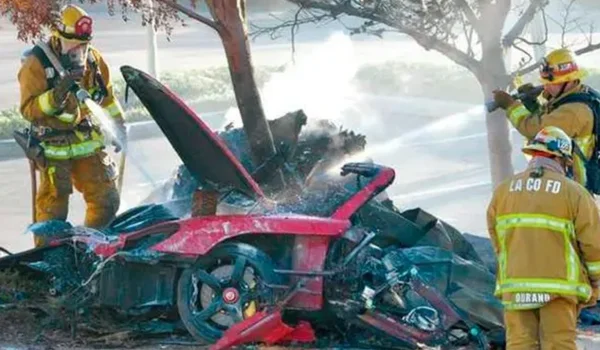
While driving on a public road, the car reportedly lost control at a very high speed. The vehicle crashed into a light pole and several trees before bursting into flames. Both Walker and Rodas died at the scene.
The accident quickly made global headlines, and fans across the world mourned the loss of the beloved actor.
Key Findings From the Crash Investigation
After the accident, investigators from law enforcement and accident reconstruction experts examined the scene.
The official investigation found several key factors:
- Excessive Speed
Authorities concluded that the car was traveling between 80 and 93 mph in an area where the speed limit was about 45 mph.
High speed dramatically increases the risk of losing control, especially in high-performance sports cars.
- Loss of Control
Investigators determined that the driver lost control of the vehicle, which caused it to spin and crash into roadside objects.
- Fire After Impact
The collision ruptured parts of the vehicle, which led to a fire shortly after impact.
- No Evidence of Mechanical Failure
Initial investigations found no proof that mechanical defects caused the crash.
However, that conclusion later became part of a legal dispute.
The Wrongful Death Lawsuit Against Porsche
After the accident, Walker’s daughter, Meadow Walker, filed a wrongful death lawsuit against Porsche.
The lawsuit claimed that the vehicle involved in the crash had safety defects that contributed to the fatalities.
Claims Made in the Lawsuit
The legal complaint argued that the Porsche Carrera GT had several design flaws, including:
- Lack of proper crash protection
- Weak fuel system design
- Absence of modern electronic stability control
- Doors that allegedly trapped occupants after impact
According to the lawsuit, these factors made it harder for the occupants to survive the crash.
Porsche’s Legal Defense
Porsche strongly denied the claims.
The company argued that:
- The vehicle was not defective
- The crash occurred due to reckless speeding
- The car was being driven beyond safe limits
Porsche’s lawyers also pointed out that the vehicle was a race-inspired sports car designed for experienced drivers.
They argued that the extreme speed at the time of the crash was the main cause of the tragedy.
Settlement of the Lawsuit
The wrongful death lawsuit filed by Meadow Walker was eventually settled out of court in 2017.
The exact financial details of the settlement were not publicly disclosed.
Out-of-court settlements are common in product liability cases because they allow both sides to avoid lengthy trials and uncertain jury outcomes.
Although the case ended in settlement, it sparked significant discussion about sports car safety and manufacturer responsibility.
Automotive Law Issues Raised by the Case
The Paul Walker accident highlighted several important legal topics within U.S. automotive law.
- Product Liability
Product liability law allows consumers to sue manufacturers if a defective product causes injury or death.
In vehicle cases, plaintiffs may claim:
- Design defects
- Manufacturing defects
- Failure to warn about dangers
The Walker case raised questions about whether certain high-performance cars should include additional safety technology.
- Driver Responsibility
Even when product defects are alleged, driver behavior is often a major factor in accident investigations.
Speeding, aggressive driving, and loss of control can significantly increase the risk of fatal crashes.
Courts typically evaluate both driver conduct and vehicle design when determining liability.
- Wrongful Death Claims
A wrongful death lawsuit allows family members to seek compensation when a person dies due to negligence or unsafe products.
Typical damages include:
- Loss of financial support
- Funeral expenses
- Emotional suffering
- Loss of companionship
These claims are common in serious car accident cases.
- Comparative Fault
Many U.S. states use comparative fault rules, which allow responsibility to be shared among multiple parties.
For example:
- A driver may be partly responsible for speeding.
- A manufacturer may be partly responsible for a design flaw.
Courts may divide damages based on each party’s percentage of fault.
High-Performance Cars and Legal Responsibility
The accident also sparked debate about whether high-performance vehicles should have stricter safety regulations.
Sports cars like the Porsche Carrera GT are designed for speed and precision handling.
However, these vehicles can be difficult to control at high speeds, especially without modern stability systems.
Some safety experts argue that:
- Advanced traction control systems should be mandatory
- High-speed vehicles should include stronger crash protection
- Drivers should receive specialized training
Others believe driver responsibility should remain the primary factor.
Lessons for Everyday Drivers
Although the Paul Walker crash involved a rare high-performance car, the lessons apply to all drivers.
Speed Limits Matter
Driving significantly above the speed limit dramatically increases crash risk.
Vehicle Power Requires Skill
High-performance vehicles require careful handling and respect for their capabilities.
Road Conditions Matter
Even experienced drivers can lose control if road conditions or speed exceed safe limits.
Seat Belts and Safety Systems Save Lives
Modern safety features such as stability control, airbags, and seat belts reduce the risk of fatal injuries.
The Lasting Legacy of Paul Walker
Despite the tragedy, Paul Walker left a lasting legacy in both film and humanitarian work.
His charity, Reach Out Worldwide, continues to provide disaster relief around the world.
Fans also honored Walker through the final scenes of the Furious 7, which served as a tribute to the actor and his character.
Final Thoughts
The fatal car accident involving Paul Walker remains one of the most widely discussed celebrity crashes in modern history. The tragedy not only shocked fans but also raised important legal questions about vehicle safety, driver responsibility, and product liability.
While investigations pointed to excessive speed as the primary cause of the crash, the lawsuit against Porsche highlighted the ongoing debate about manufacturer responsibility and vehicle design.
For everyday drivers, the case serves as a powerful reminder that even experienced drivers in high-performance vehicles are not immune to the dangers of speed.
Understanding the legal and safety lessons behind such accidents can help drivers make better decisions on the road and potentially prevent future tragedies.