Car accidents can lead to injuries, financial stress, and complicated insurance claims. For many victims, the goal after a crash is to recover compensation for medical bills, lost wages, and other damages. This compensation often comes through what is known as a car accident settlement.
A settlement is a financial agreement reached between the accident victim and the responsible party (usually through their insurance company). Instead of taking the case to court, both sides agree on a payment amount that resolves the claim.
Understanding how car accident settlements work is important for both everyday drivers and legal professionals. This article explains the settlement process, what factors affect settlement amounts, and how accident victims can protect their rights while pursuing compensation.
What Is a Car Accident Settlement?
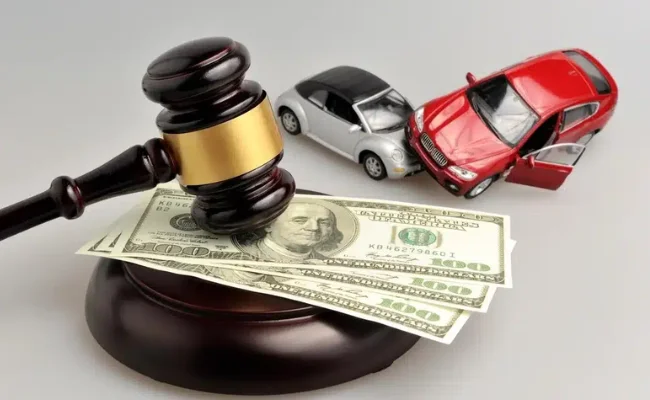
A car accident settlement is an agreement where the injured party receives financial compensation from the at-fault driver or their insurance company in exchange for resolving the legal claim.
In most cases, the settlement includes compensation for damages such as:
- medical expenses
- lost income
- property damage
- pain and suffering
Once a settlement is accepted, the victim usually signs a legal document called a release of liability. This document prevents the victim from filing another lawsuit related to the same accident.
Settlements are extremely common in personal injury cases because they save time, money, and uncertainty compared to going to trial.
Why Most Car Accident Cases Settle
Many people assume accident claims automatically go to court. In reality, most cases are resolved through settlements.
Several factors explain why settlements are preferred.
Faster Resolution
Court cases can take months or even years to resolve. Settlements can often be reached much faster.
Lower Legal Costs
Trials involve court fees, expert witnesses, and extensive legal preparation. Settling early reduces these costs.
Predictable Outcomes
Jury verdicts are unpredictable. A settlement provides a guaranteed payment.
Reduced Stress
Accident victims often prefer avoiding the emotional stress of courtroom proceedings.
Because of these advantages, insurance companies and attorneys frequently attempt to negotiate settlements before a case goes to trial.
Steps in the Car Accident Settlement Process
The settlement process typically follows several key steps.
- Medical Treatment and Documentation
After an accident, the first priority is medical care.
Victims should:
- seek immediate medical attention
- follow treatment plans
- keep records of medical visits and expenses
Medical documentation plays a major role in determining settlement value.
- Investigation of the Accident
Insurance companies and attorneys investigate the crash to determine fault.
Evidence may include:
- police accident reports
- witness statements
- traffic camera footage
- photographs of the accident scene
- vehicle damage analysis
The stronger the evidence, the easier it is to negotiate a fair settlement.
- Demand Letter
Once medical treatment stabilizes, the victim’s lawyer typically sends a demand letter to the insurance company.
This letter includes:
- a summary of the accident
- evidence of fault
- medical records and bills
- documentation of lost income
- the amount of compensation requested
The demand letter begins the formal settlement negotiation process.
- Negotiation With Insurance Companies
Insurance adjusters review the claim and usually respond with a settlement offer.
This first offer is often lower than the amount requested.
Negotiations may involve several rounds of counteroffers before both sides agree on a final amount.
- Settlement Agreement and Payment
Once both parties agree, the settlement is finalized through legal paperwork.
After signing the release agreement, the insurance company issues payment.
The settlement funds are typically distributed as follows:
- medical liens are paid
- legal fees are deducted
- the remaining amount goes to the victim
Types of Compensation in a Car Accident Settlement
Settlement amounts depend on the damages suffered by the victim.
Compensation generally falls into two main categories.
Economic Damages
Economic damages cover measurable financial losses.
These may include:
Medical Expenses
Compensation for:
- hospital bills
- surgeries
- doctor visits
- medications
- physical therapy
Future medical care may also be included in serious injury cases.
Lost Wages
If injuries prevent someone from working, settlements may include compensation for missed income.
This may cover:
- past lost wages
- reduced earning capacity
- future income losses
Property Damage
This includes the cost of repairing or replacing a damaged vehicle and other personal property.
Non-Economic Damages
Non-economic damages compensate victims for the emotional and physical impact of an accident.
These damages may include:
Pain and Suffering
This refers to physical pain caused by injuries.
Emotional Distress
Accidents may cause anxiety, depression, or trauma.
Loss of Enjoyment of Life
Serious injuries can prevent victims from participating in activities they once enjoyed.
Although these damages are harder to measure, they can significantly increase settlement value.
Factors That Affect Car Accident Settlement Amounts
Every accident case is unique, and settlement values vary widely.
Several key factors influence compensation.
Severity of Injuries
More serious injuries generally lead to higher settlements.
Examples include:
- traumatic brain injuries
- spinal cord damage
- permanent disabilities
Long-term medical treatment increases settlement amounts.
Medical Costs
Higher medical bills often lead to larger settlements.
Insurance companies review medical records carefully when calculating compensation.
Liability and Fault
If the other driver is clearly responsible for the crash, settlement negotiations are usually easier.
However, disputes over fault can delay or reduce settlement offers.
Insurance Coverage Limits
Insurance policies have maximum payout limits.
For example:
- $25,000 liability coverage
- $100,000 liability coverage
- $1 million commercial policy
If damages exceed policy limits, recovering additional compensation may require legal action.
Evidence Strength
Strong evidence increases the likelihood of a favorable settlement.
Important evidence may include:
- accident reports
- witness testimony
- expert accident reconstruction
- medical documentation
Role of Car Accident Lawyers in Settlements
While some minor accident claims can be handled without legal help, serious injury cases often benefit from professional representation.
Car accident lawyers assist with:
Case Investigation
Attorneys gather evidence to prove fault and damages.
Claim Valuation
Lawyers calculate the full financial impact of the accident.
Negotiations
Experienced lawyers understand insurance tactics and negotiate aggressively for fair settlements.
Litigation
If negotiations fail, lawyers can file lawsuits and represent clients in court.
How Lawyer Fees Work in Settlement Cases
Most car accident lawyers use contingency fee agreements.
This means:
- clients pay nothing upfront
- the lawyer receives a percentage of the settlement
Typical contingency fees range from 33% to 40% of the final settlement amount.
This system allows accident victims to pursue legal claims without financial risk.
Common Mistakes That Reduce Settlement Value
Accident victims sometimes make mistakes that weaken their claims.
Common errors include:
- delaying medical treatment
- accepting the first insurance offer
- posting accident details on social media
- failing to document injuries
- admitting fault at the accident scene
Avoiding these mistakes can help protect the value of a settlement claim.
How Long Car Accident Settlements Take
The timeline for settlements varies depending on the complexity of the case.
Typical timelines include:
- Minor cases: a few months
- Moderate injury cases: six months to one year
- Serious injury cases: one to several years
Settlements should generally not occur until the victim’s medical condition is fully understood.
Final Thoughts
A car accident settlement is often the most efficient way for accident victims to recover compensation for injuries and financial losses. By negotiating an agreement outside of court, both parties can avoid lengthy legal battles and reach a faster resolution.
However, settlement values depend on many factors, including the severity of injuries, the strength of evidence, insurance coverage limits, and the skill of the attorneys involved.
For everyday drivers, understanding the settlement process helps protect their rights after a crash. Seeking medical care, documenting damages, and obtaining professional legal advice when necessary can make a significant difference in achieving a fair outcome.
Whether handled independently or with legal representation, a well-prepared settlement claim ensures that accident victims receive the compensation they deserve while allowing them to move forward after a difficult experience.