A slip and fall accident may sound minor—until it happens to you. One wrong step on a wet floor, icy sidewalk, uneven pavement, or poorly maintained stairway can lead to a serious knee injury that affects your ability to walk, work, and live normally.
After a fall, many people ask the same question:
“What is the average settlement for a knee injury from a slip and fall?”
The honest answer is: it depends. Knee injury settlements vary widely based on injury severity, medical treatment, long-term impact, and who was at fault. This article explains realistic settlement ranges, key factors that influence value, and what injured victims need to know—without heavy legal language.
Why Knee Injuries Are Common in Slip and Fall Accidents
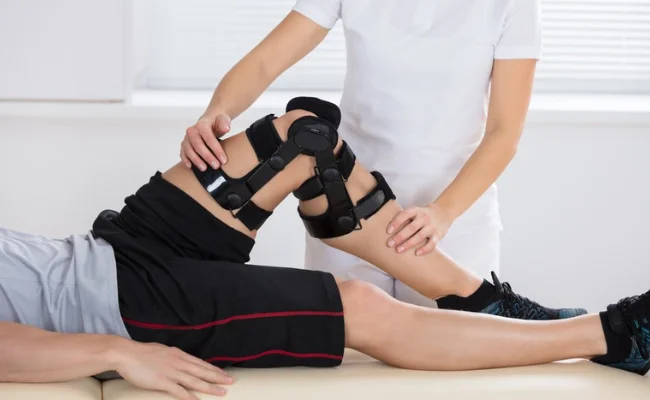
When people slip or trip, the body naturally tries to stabilize itself. Knees often absorb the impact, which makes them especially vulnerable.
Slip and fall accidents commonly occur in:
- Grocery stores
- Restaurants
- Apartment complexes
- Office buildings
- Parking lots
- Sidewalks
- Retail stores
Knee injuries can happen instantly, but their effects may last for months—or even a lifetime.
Common Knee Injuries From Slip and Fall Accidents
Not all knee injuries are the same, and settlement values differ greatly depending on the diagnosis.
- Knee Sprains and Strains
These involve stretched or torn ligaments or muscles.
- Recovery may take weeks to months
- Often treated with physical therapy
- Meniscus Tears
A torn meniscus is very common in falls.
- May require surgery
- Can lead to long-term knee pain
- Ligament Tears (ACL, MCL, PCL)
These are serious injuries.
- Often require surgery
- Long recovery times
- Possible permanent instability
- Knee Fractures
Cracks or breaks in the kneecap or surrounding bones.
- May require surgery
- Higher settlement value
- Cartilage Damage and Arthritis
A fall can accelerate arthritis or cause cartilage damage.
- Long-term pain
- Reduced mobility
- Total or Partial Knee Replacement
In severe cases, surgery may be required.
- Major medical expense
- Significant impact on quality of life
Average Knee Injury Settlement for Slip and Fall Cases
There is no fixed amount, but based on real-world trends, the following ranges are common:
General Settlement Ranges
- Minor knee injury: $10,000 – $25,000
- Moderate injury (therapy, injections): $25,000 – $75,000
- Meniscus tear or ligament damage: $75,000 – $150,000
- Surgical knee injuries: $150,000 – $300,000+
- Permanent injury or knee replacement: $300,000 – $750,000+
These are general estimates, not guarantees. Some cases settle for less, while severe cases may result in much higher compensation.
What Factors Affect Knee Injury Settlement Amounts?
- Severity of the Knee Injury
The more serious the injury, the higher the potential settlement.
Key questions include:
- Did the injury require surgery?
- Is the damage permanent?
- Will future treatment be needed?
- Medical Treatment and Costs
Settlement value increases with:
- Emergency room visits
- MRI scans
- Surgery
- Physical therapy
- Injections
- Future medical care
Medical documentation plays a major role in proving damages.
- Impact on Work and Income
If the knee injury causes:
- Missed work
- Reduced hours
- Job loss
- Career change
then lost income becomes part of the settlement value.
- Pain and Suffering
Pain and suffering includes:
- Physical pain
- Emotional stress
- Loss of mobility
- Difficulty with daily activities
Knee injuries often limit walking, standing, driving, and sleeping, which increases non-economic damages.
- Age and Activity Level
A knee injury affects people differently.
For example:
- A younger or active person may suffer greater long-term impact
- Someone with a physical job may be unable to return to work
This can raise settlement value.
- Liability and Property Owner Negligence
Slip and fall cases depend heavily on fault.
To recover compensation, the injured person must usually show that:
- A dangerous condition existed
- The property owner knew or should have known about it
- The hazard was not fixed or warned about
- The hazard caused the fall
Clear evidence of negligence strengthens settlement negotiations.
Common Causes of Slip and Fall Knee Injuries
- Wet or slippery floors
- Spills left unattended
- Ice or snow not removed
- Broken stairs or railings
- Uneven pavement
- Poor lighting
- Loose rugs or mats
The stronger the evidence of unsafe conditions, the stronger the case.
How Long Does a Knee Injury Slip and Fall Case Take?
Most cases follow this general timeline:
- Minor injuries: 3–6 months
- Moderate injuries: 6–12 months
- Surgical or disputed cases: 12–24 months or longer
Settling too early—before the full extent of the knee injury is known—often results in lower compensation.
Do Knee Injury Slip and Fall Cases Go to Trial?
Most cases settle without trial, but some go to court when:
- Liability is disputed
- The insurance company undervalues the injury
- The property owner denies responsibility
Trials can increase compensation, but they also increase time, cost, and risk.
Comparative Fault and Knee Injury Settlements
Many states follow comparative fault rules, meaning:
- If you were partly responsible for the fall
- Your compensation may be reduced by your percentage of fault
For example:
- 20% fault = 20% reduction in settlement
Insurance companies often try to blame the injured person to lower payouts.
Evidence That Helps Maximize Knee Injury Settlements
Strong cases usually include:
- Incident reports
- Photos or video of the hazard
- Medical records
- Witness statements
- Surveillance footage
- Doctor opinions on future care
- Employment and wage records
Delayed medical treatment or reporting can weaken a claim.
Why Knee Injury Claims Are Often Undervalued
Insurance companies may argue:
- The injury was pre-existing
- The pain is exaggerated
- Surgery was unnecessary
- Recovery should be faster
Knee injuries can look “minor” on the outside while causing serious internal damage. Clear medical evidence is key.
Why This Topic Matters for Law Practices
For personal injury law firms, knee injury slip and fall cases:
- Are common
- Involve disputed liability
- Require strong medical proof
- Often involve long-term impact
Educational content helps:
- Set realistic client expectations
- Build trust
- Improve SEO visibility
- Attract high-intent potential clients
FAQs
Is surgery required for a high settlement?
Not always, but surgery usually increases case value.
Can I settle if my knee injury gets worse later?
Once you settle, you usually cannot reopen the case—future costs must be considered upfront.
What if I already had knee problems?
You may still recover compensation if the fall worsened the condition.
Are slip and fall knee injury settlements taxable?
Compensation for physical injuries is generally not taxable, with some exceptions.
Final Thoughts
A knee injury settlement average for slip and fall cases depends on injury severity, treatment, long-term impact, and proof of negligence. While minor injuries may settle for modest amounts, serious knee injuries involving surgery or permanent damage can result in substantial compensation.
For injured individuals, patience and proper documentation matter.
For law practices, clear and honest education builds credibility and trust.
Slip and fall knee injuries are not just about pain—they’re about mobility, independence, and future quality of life.